

Why WordPress Still Makes Sense for Startups (And When It Doesn’t)
Choosing the right website platform is one of the earliest technical decisions a startup makes, and it often happens under pressure. Budgets are limited, timelines are tight, and the person making the decision is rarely a full-time developer.
At wpfixs.com, we regularly help early-stage businesses fix performance issues, SEO problems, and scalability limits caused by poor CMS decisions made at the beginning. After working with WordPress, Shopify, Wix, custom frameworks, and headless setups, one platform consistently proves to be the most flexible and cost-effective for startups:
WordPress.
But is WordPress really the best choice for every startup in 2026?
And more importantly, why does it still outperform many modern alternatives?
Since its launch in 2003, WordPress has evolved from a blogging tool into a full content management system powering a large share of the web. That popularity alone, however, is not a reason to use it.
The real question for founders is simpler and more practical:
Does WordPress reduce early friction without creating scaling problems later?
This article looks at WordPress from that lens — not as “the best platform,” but as a system that solves specific startup-stage problems, and introduces tradeoffs you should understand before committing.
Why Startups Choose WordPress (Based on Real Use Cases)
1) Fast Setup Without Technical Complexity
For startups, speed matters more than perfection.
WordPress allows founders to:
- Launch a functional website within hours
- Avoid complex development stacks
- Make changes without developer dependency
Most hosting providers support one-click WordPress installs, and even manual setups take minutes. This makes WordPress ideal for founders with limited technical resources but aggressive timelines.
Why this matters:
A faster launch means quicker validation, earlier traffic, and faster feedback loops.
2) Open-Source Flexibility (No Platform Lock-In)
A less obvious but strategically important advantage of WordPress is its open-source foundation. Unlike proprietary website builders, WordPress does not lock startups into a single vendor, pricing model, or hosting environment.
This flexibility becomes critical as startups grow. Teams can:
- Change hosting providers
- Rebuild themes
- Introduce custom functionality
- Hand projects over to different developers
All without abandoning the platform.
For founders, this means the website remains an owned asset, not a rented interface. Decisions made early do not permanently constrain future technical or business directions.
Tradeoff:
Open-source flexibility comes with responsibility. Maintenance, updates, and security require active oversight rather than being fully abstracted away.
3) Massive Plugin Ecosystem (Without Custom Development)
One of the most practical reasons startups choose WordPress is its plugin ecosystem. For early-stage teams, this reduces the need for custom development during the most resource-constrained phase of the business.
Core business needs such as contact forms, SEO controls, caching, security hardening, analytics integration, and basic eCommerce can be added incrementally through plugins. This allows founders to validate ideas and workflows before investing in custom code.
The advantage here is not the number of plugins available, but the ability to defer engineering costs until the business model proves itself. Instead of building everything upfront, functionality can be layered only when it becomes necessary.
Where caution is required:
Relying on too many low-quality or overlapping plugins can introduce performance and maintenance issues. Plugin selection discipline matters more than plugin quantity.
4) Getting Online Without Technical Lock-In
Most startups need a website fast, but not disposable.
WordPress works well here because installation is no longer a technical hurdle. Most hosts offer one-click setup, and manual installation remains straightforward if needed. More importantly, once installed, you are not locked into a proprietary builder.
This matters later. If your startup grows, changes direction, or hires developers, WordPress sites can evolve without rebuilding from scratch — something that is often impossible with closed SaaS website builders.
Where it breaks:
If you want a “set it once and never touch it” site with zero maintenance, WordPress may feel heavier than necessary.
5) Customization Without Hiring Developers Early
Startups rarely want generic branding, but they also cannot afford full custom development in the beginning.
WordPress sits in the middle:
- Themes control layout and design
- Plugins extend functionality incrementally
- You can start simple and add complexity only when needed
This modular approach lets founders test ideas without overcommitting resources. A landing page today can become a full marketing site tomorrow without a platform migration.
Important limitation:
Customization is flexible, but too many plugins can slow sites down if chosen carelessly. Discipline matters.
6) One-Page Sites That Can Grow Into Full Websites
Many startups begin with a single page:
- One product
- One pitch
- One conversion goal
WordPress supports this well through lightweight themes and page builders, but unlike static builders, it does not trap you there. That same site can later expand into documentation, blog content, pricing pages, and support sections without changing platforms.
This progression — launch small, scale structurally — is one of WordPress’s strongest advantages.
7) Modern Code Standards Without Writing Code
Modern WordPress themes are built using current web standards such as HTML5, CSS3, and JavaScript. For founders, this matters less for ideology and more for future compatibility.
When your site needs:
- Performance improvements
- Accessibility updates
- Feature expansion
You are not stuck rewriting outdated templates.
However, this benefit depends entirely on theme quality. Cheap or abandoned themes create long-term technical debt.
8) Content and SEO Are Native, Not Add-Ons
Startups that rely on organic discovery, content marketing, search visibility, thought leadership — need platforms that handle structured content well.
WordPress was built around content:
- Clean URLs
- Heading hierarchy
- Media handling
- Editorial workflows
SEO plugins extend control, but the underlying structure already aligns with how search engines crawl and understand pages.
This makes WordPress particularly suitable for startups that plan to publish regularly, not just maintain a brochure site.
9) Email, Forms, and Early Customer Communication
Before CRMs and complex funnels, startups need simple communication:
- Contact forms
- Email notifications
- Lead capture
WordPress supports this through mature plugin ecosystems that integrate with email tools without forcing early SaaS subscriptions. This keeps costs predictable while validation is still happening.
The tradeoff is configuration responsibility — flexibility replaces automation.
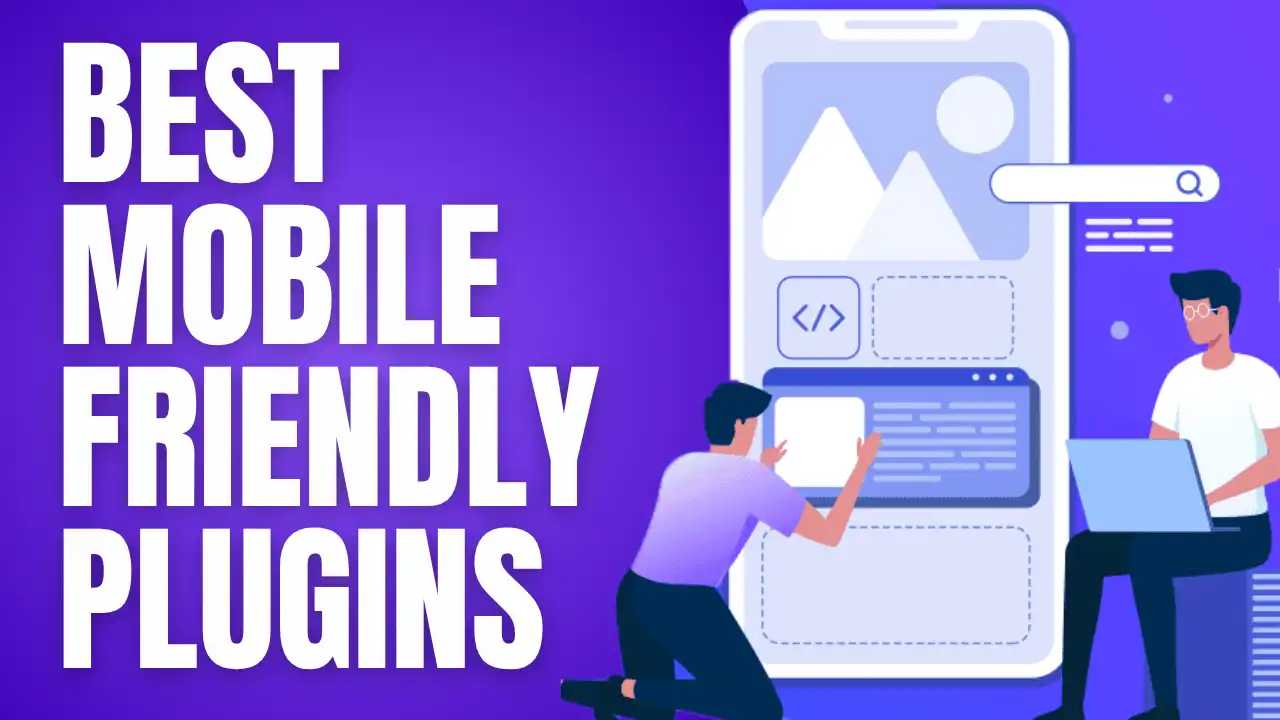
10) Mobile-Responsive by Default
For most startups, mobile traffic accounts for a majority of visits from day one. With WordPress, mobile responsiveness is no longer treated as an optional enhancement.
Themes submitted to the official ecosystem are expected to meet responsive design standards, meaning layouts adapt automatically across phones, tablets, and desktops. This removes the need for separate mobile sites or device-specific builds during early launch phases.
While responsiveness alone does not guarantee a strong mobile experience, it ensures that startups are not blocked by mobile compatibility issues while validating products, messaging, or acquisition channels.
3 Extra Special Reason Why WordPress is The Best Choice For Start-Ups
11) Cost Control During Uncertain Growth
WordPress itself is free. Real costs come from:
- Hosting
- Premium themes or plugins
- Maintenance over time
For startups, this model is often preferable to fixed monthly SaaS fees during uncertain growth phases. You pay more only when complexity increases, not before.
That flexibility is often more valuable than raw cheapness.
12) Continuous Platform Evolution Without Rebuilding
WordPress core updates regularly for:
- Security
- Performance
- Compatibility
This means your platform improves even if your site does not change. For startups with limited technical staff, that background evolution reduces long-term risk.
Still, updates require oversight. Ignoring maintenance entirely is not realistic.
13) Global Community and Support Ecosystem
When startups hit roadblocks, support matters.
WordPress offers:
- Extensive documentation
- Developer forums
- Tutorials and guides
- Third-party experts and agencies
This reduces downtime and keeps development moving forward — even without in-house technical teams.
When WordPress Is Not the Best Choice
For transparency (and trust), WordPress is not ideal if your startup:
- Requires real-time systems at massive scale
- Is building a complex SaaS dashboard
- Needs heavy backend logic without plugins
- Depends on highly customized application architecture
In these cases, custom frameworks may be better.
When WordPress Is the Right Choice
WordPress is a strong fit for startups that:
- Need flexibility without early overengineering
- Expect content and SEO to matter
- Want ownership over their platform
- Plan to evolve their website alongside the business
It is not ideal for teams seeking zero maintenance or purely visual, disposable sites.
Final Verdict: Is WordPress Good for Startups in 2026?
Yes — for most startups, WordPress remains one of the smartest choices available.
It balances:
- Cost
- Flexibility
- SEO performance
- Speed to market
- Long-term scalability
When implemented correctly, WordPress gives startups the freedom to grow without technical debt or platform limitations.
Need Help Optimizing or Fixing a WordPress Startup Site?
At wpfixs.com, we help startups:
- Optimize WordPress performance
- Fix SEO and indexing issues
- Secure and scale their websites
- Customize themes and plugins correctly
If you’re building or struggling with a WordPress site, getting expert help early can save months of problems later.